
%20(3).avif)
%20(4).avif)
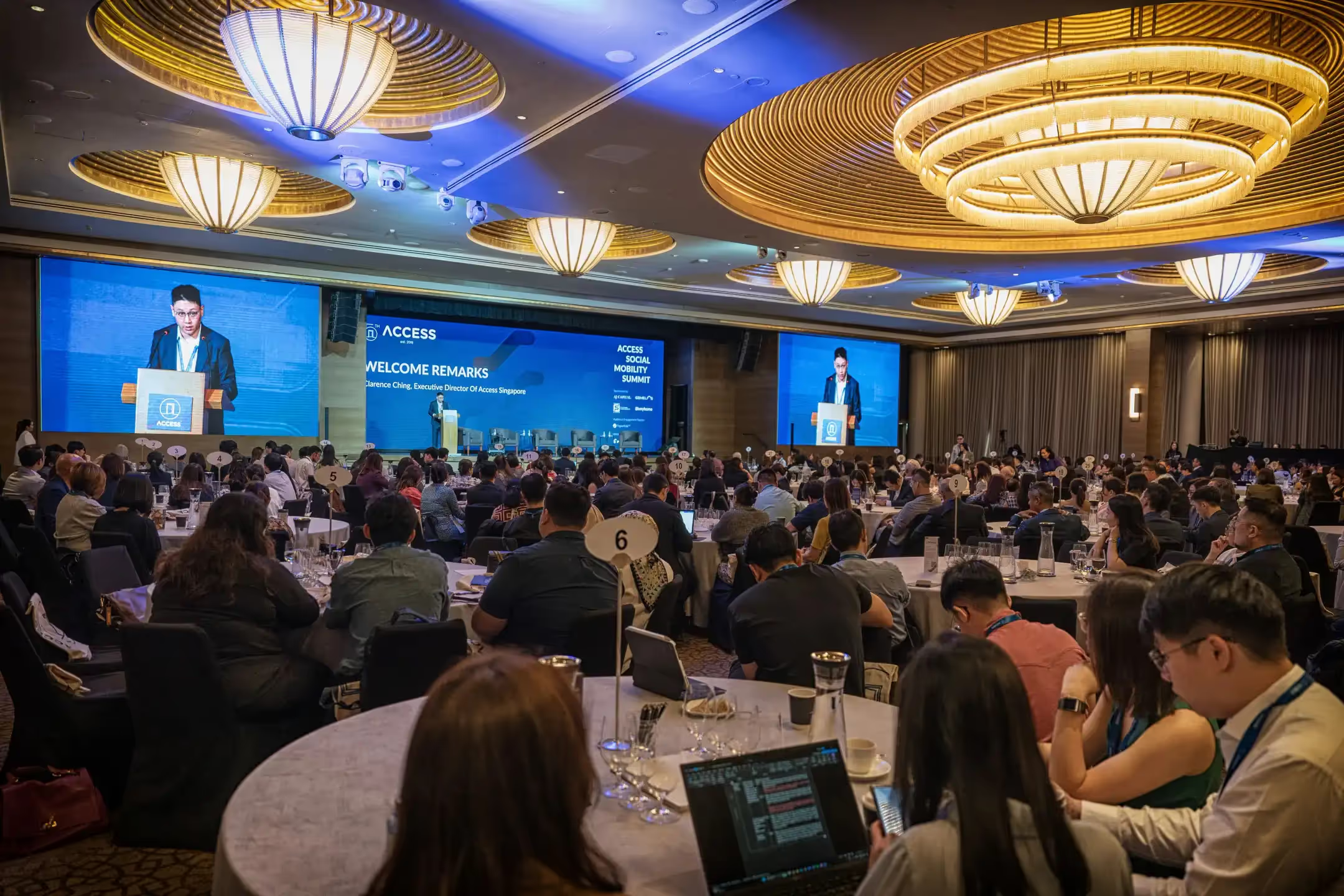
Going beyond its slate of student programmes, Access invested in more advocacy work with its inaugural Access Social Mobility Summit on 5 April 2024. The first of its kind in Singapore, the summit saw the attendance of 450 guests across the people, public and private sectors, and gave them the opportunity to deepen their understanding of social mobility, drive greater action, and create new partnerships to accelerate positive change.
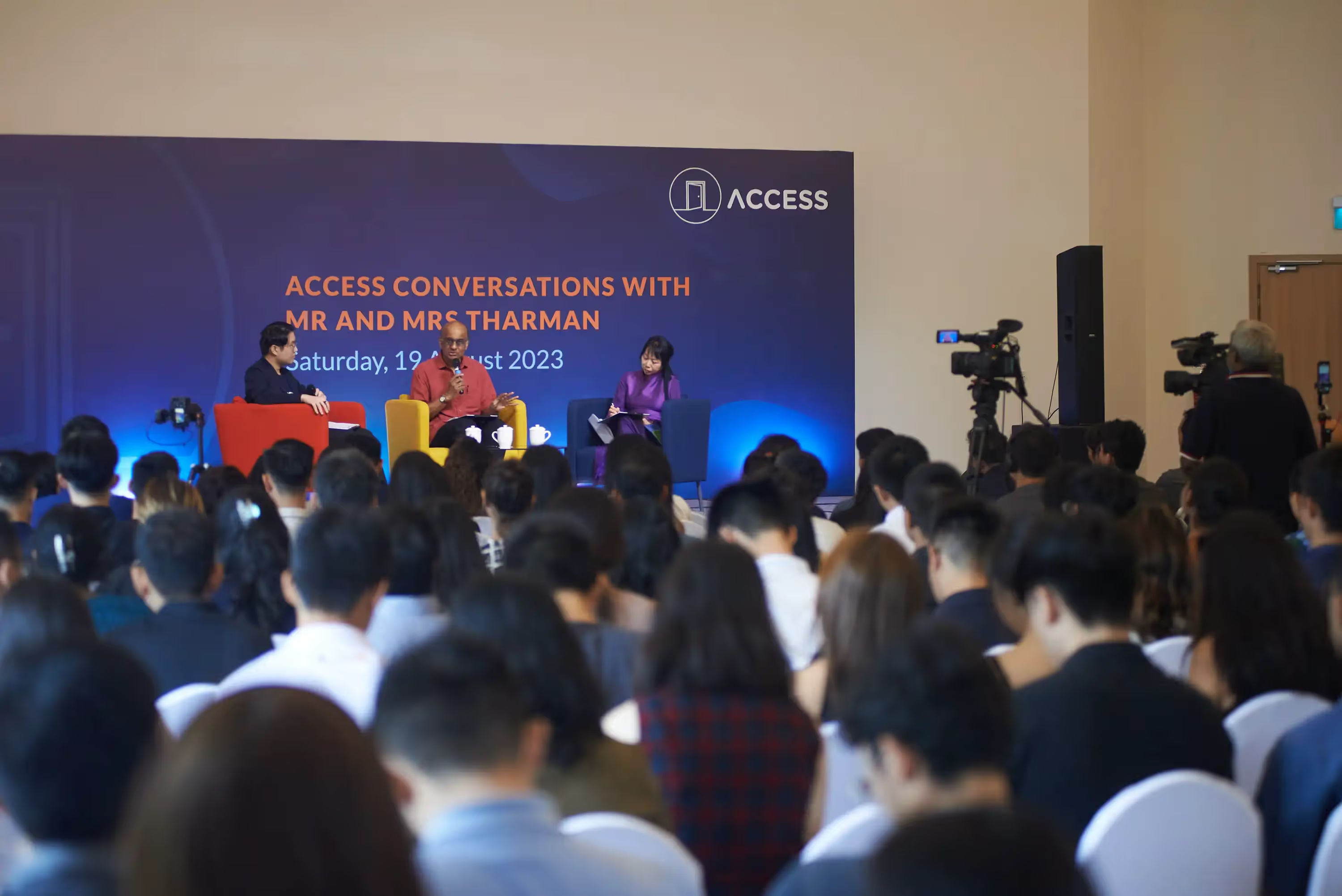
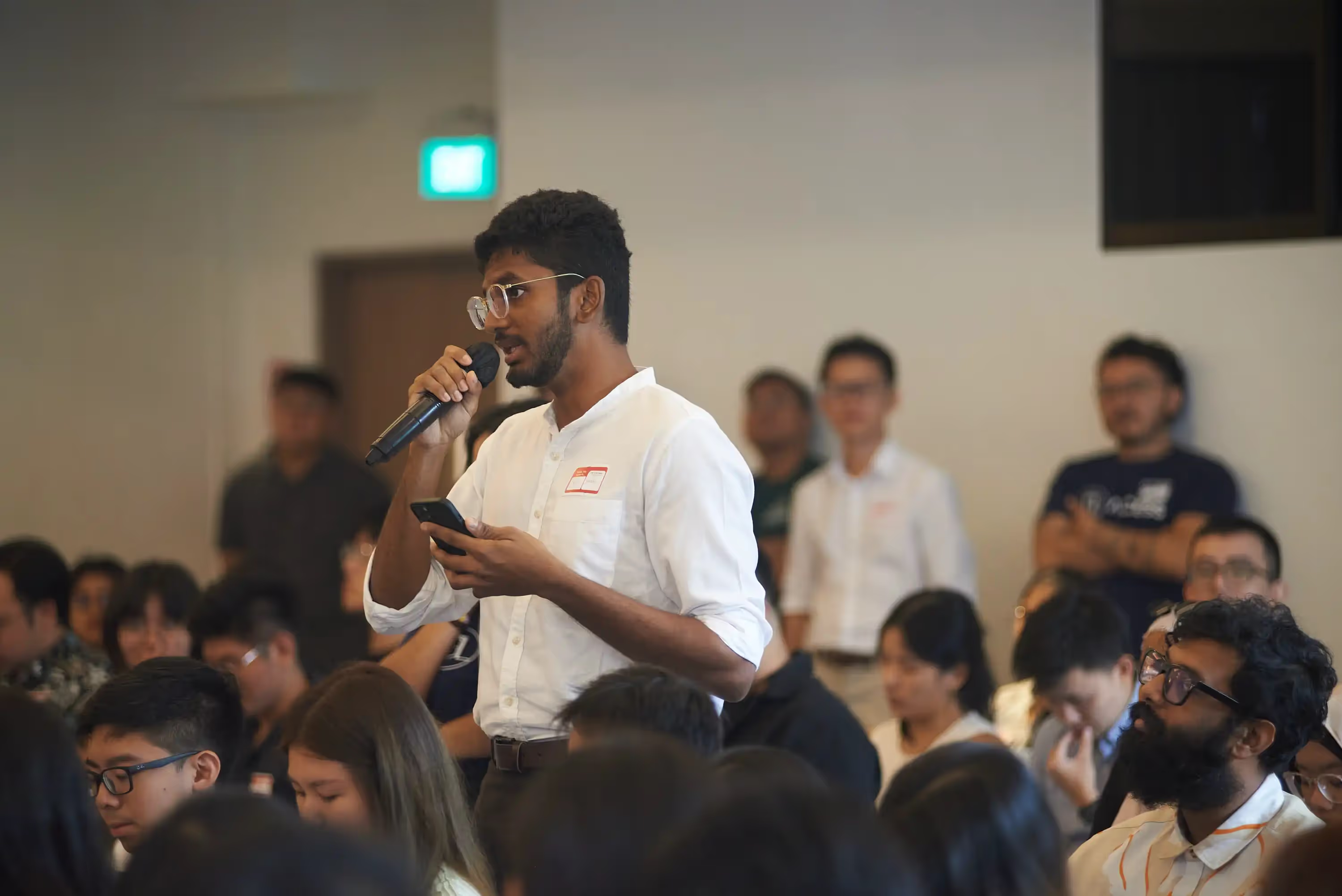
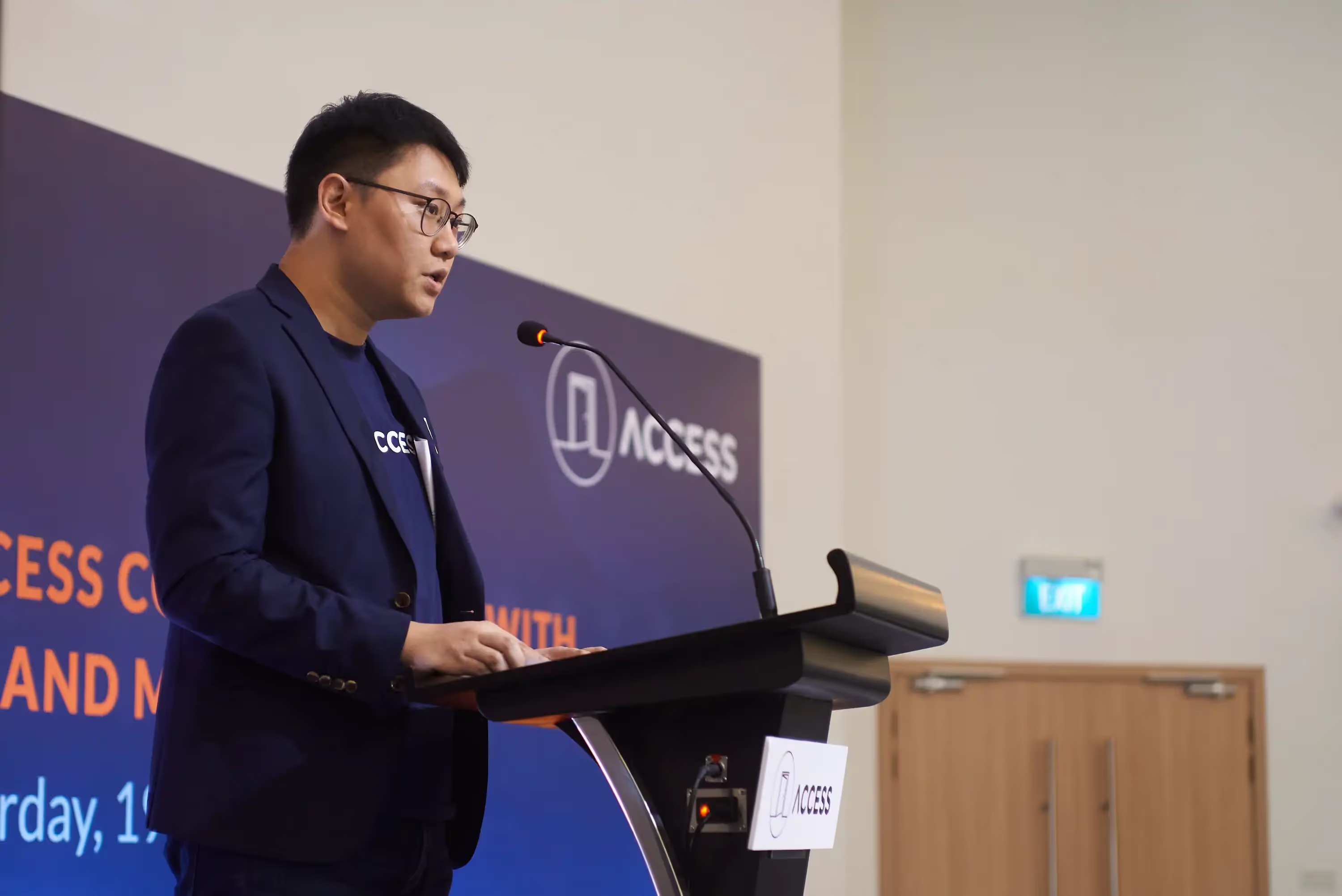
Access Conversations brought together a diverse group of youths, including influencers and community activists, to hear perspectives on various social issues from Mr and Mrs Tharman in-person.
Read more here.
.avif)
%202.avif)
%203.avif)
Continuing from the previous survey in 2022, Access sought to understand the general perceptions surrounding the local education system and the impact of intervention through education, with measures such as fostering skills, to prepare individuals for the workforce. It also sought to gain a better understanding of sentiments towards success aspects that are deemed critical by individuals, and reasons that could contribute towards career success.
Read more here.
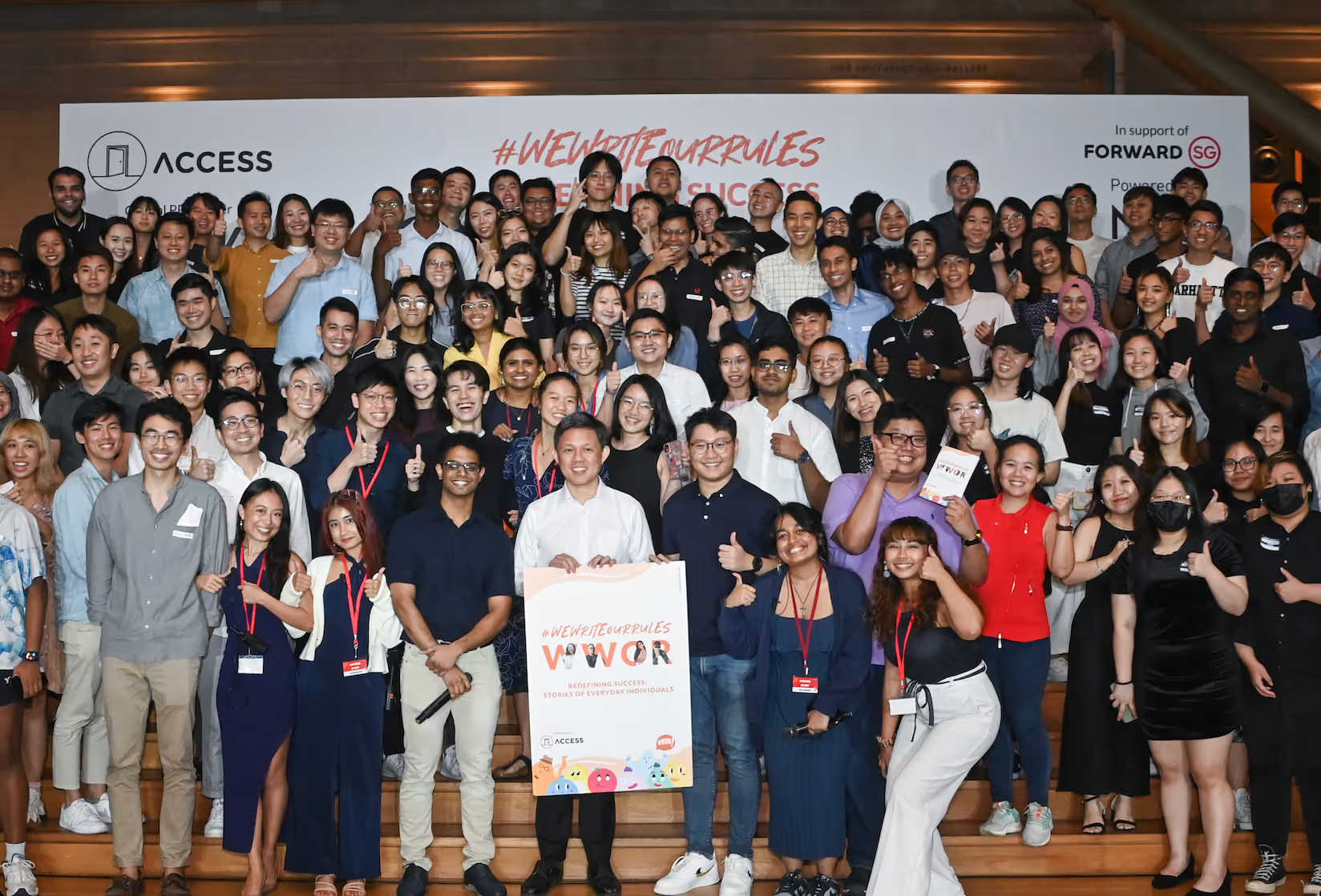
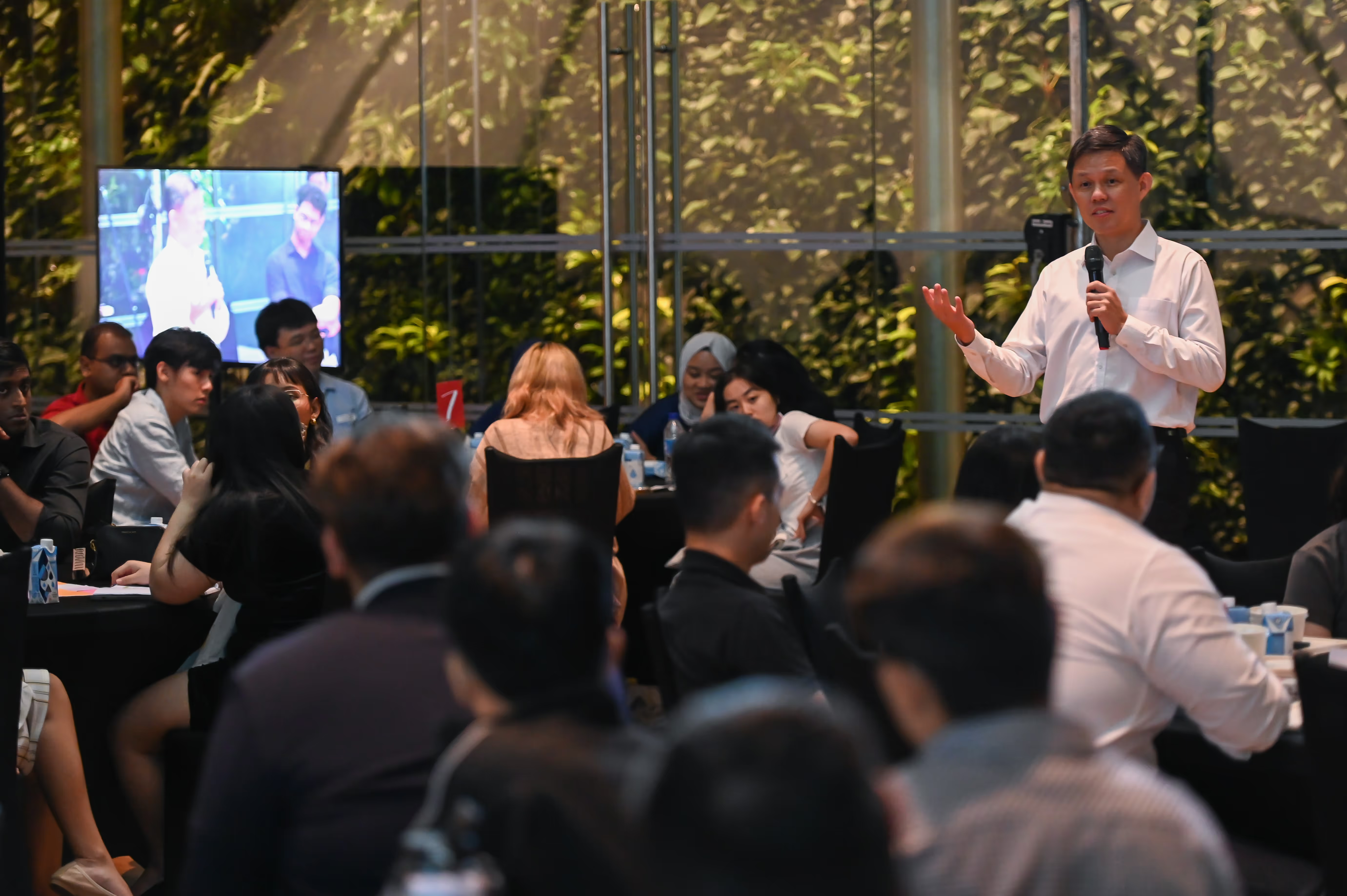
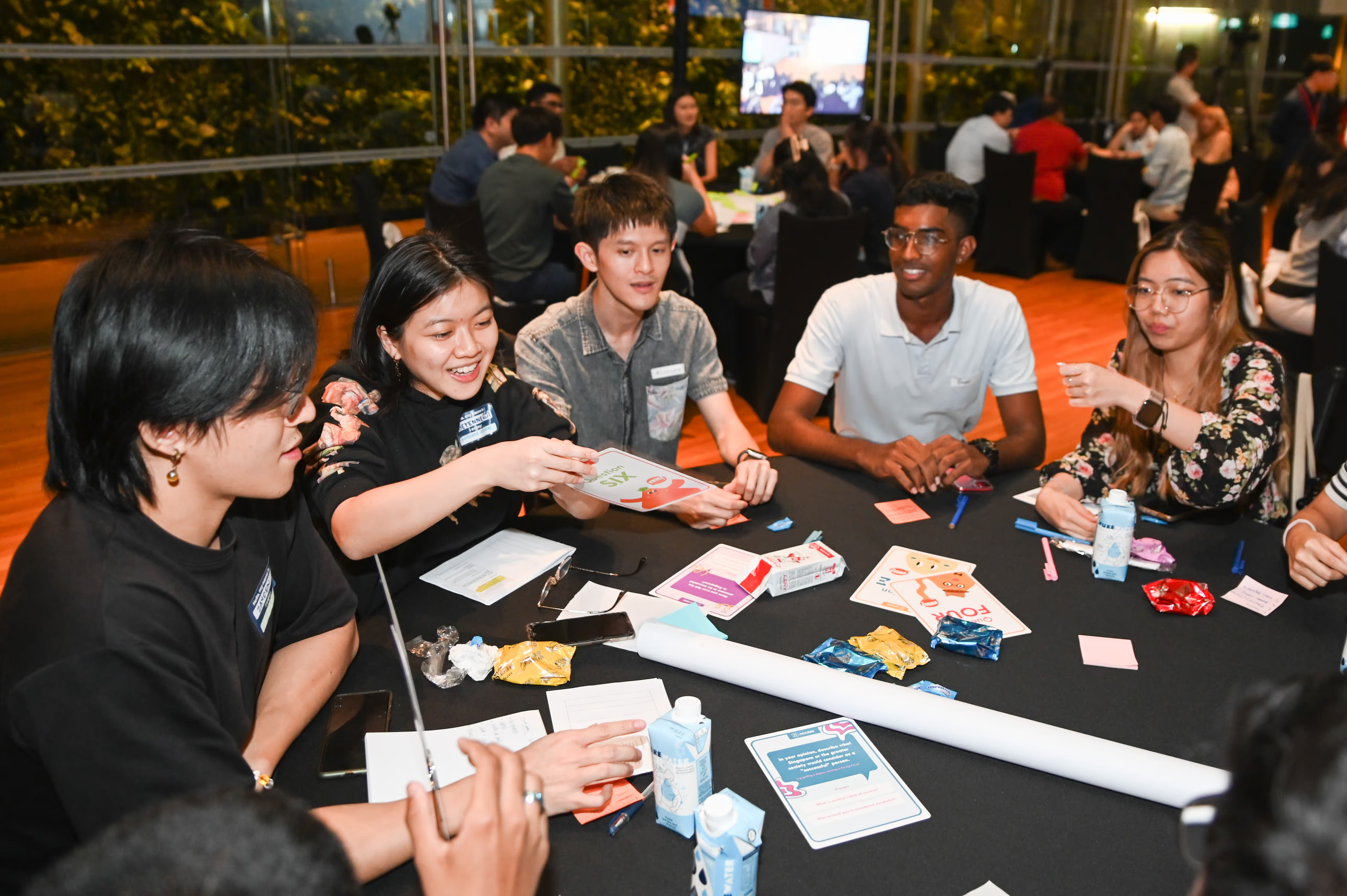
#WeWriteOurRules (#WWOR) was started to share unconventional life journeys and definitions of success, as we found that many individuals perceive success as being too difficult to achieve in Singapore. The campaign sought out 25 individuals who were not subscribing to stereotypical definitions of success. Instead, they are today writing their own rules with their unorthodox education and career journeys.
Read more here.
Access ran a Social Mobility Perception Survey from 11 June to 11 July 2021, to examine perceptions of social mobility among members of the public based on their lived experiences. This poll was launched on OPPi, an AI-powered crowdsourcing platform with proprietary analytic and statistical capabilities and involved a series of demographic questions and statements to which participants could respond, including topics on scholarships, schools and employers.
Key Highlights:
Read more here.
At Access Singapore, programme evaluation is central to ensuring that our interventions contribute meaningfully towards our vision of enabling upward social mobility for socially, academically, and financially disadvantaged youths. Guided by our Theory of Change, we measure outcomes at different stages of each programme, using the insights to continuously refine and strengthen our interventions.
Theory of Change
Pre-post Methodology
Longitudinal Impact Measurement
ACCESS
Access is a social mobility IPC charity providing career exposure opportunities for disadvantaged students in Singapore. We provide early intervention programmes that aim to help them explore different career paths, receive mentorship and guidance from industry professionals, and gain crucial workplace skills and experiences.
Our Unique Entity Number (UEN) is 202001601D. We have also been conferred the Institution of a Public Character (IPC) status.


© 2026 Access Singapore. All rights reserved. Unique Entity Number (UEN) 202001601D